Korean Bibimbap
Highlighted under: Heritage Ideas
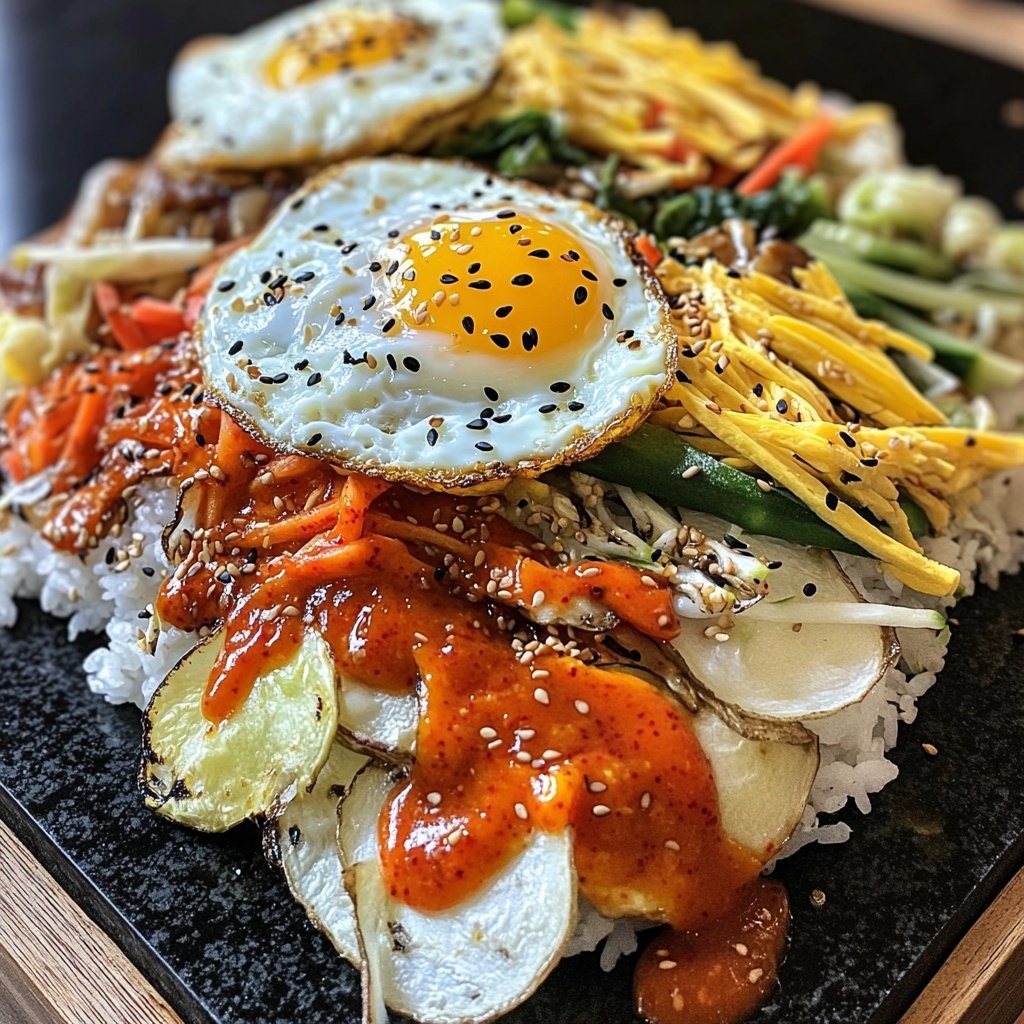
Korean Bibimbap is a delightful and colorful rice dish topped with a variety of vegetables, meat, and a fried egg, all mixed together with spicy gochujang sauce.
Korean Bibimbap is a traditional Korean dish that brings together a wonderful array of textures and flavors. It is often served in a hot stone bowl, where the rice crisps up at the bottom, adding a satisfying crunch.
Why You Will Love This Recipe
- A vibrant mix of fresh vegetables and savory meat
- Customizable with your favorite toppings and sauces
- Deliciously satisfying and visually appealing
The Heart of Bibimbap
Bibimbap is one of Korea's most beloved dishes, renowned for its vibrant colors and diverse flavors. Each ingredient plays a significant role, contributing not just to the taste but also to the visual appeal of the dish. Traditionally, this dish is served in a hot stone bowl, allowing the rice to crisp up at the bottom, adding a delightful texture. This combination of textures—from the crunch of vegetables to the richness of the egg—creates a symphony of sensations in every bite.
The beauty of bibimbap lies in its versatility. You can customize it to suit your taste preferences or dietary restrictions by swapping out proteins or adding your favorite vegetables. Whether you choose beef, chicken, or a plant-based protein like tofu, the key is to ensure each component is seasoned well to bring out its natural flavors. This adaptability makes bibimbap a fantastic option for both meal prepping and entertaining guests.
Nutritional Benefits
Korean Bibimbap is not only delicious but also packed with nutrients. The dish is typically loaded with fresh vegetables, which provide essential vitamins, minerals, and fiber. Spinach, carrots, and zucchini are excellent sources of antioxidants and help support your immune system. Including a protein like beef or tofu ensures that you are getting a balanced meal that can keep you full and satisfied.
Additionally, bibimbap can be a great way to introduce more plant-based ingredients into your diet. By choosing a variety of colorful vegetables, you're not only enhancing the dish's visual appeal but also maximizing its nutritional value. The synergy of flavors and nutrients in bibimbap makes it a wholesome choice for any meal, whether it's lunch or dinner.
Serving Suggestions
When serving bibimbap, presentation is key. For an authentic experience, consider using a hot stone bowl, which keeps the dish warm and allows for the rice to develop a delicious crust. If you don’t have a stone bowl, any deep dish will suffice. Serve the bibimbap with a side of kimchi for an extra kick of flavor and probiotics, enhancing the overall dining experience.
Don't forget to provide additional toppings and sauces on the side, such as extra gochujang, sesame oil, or even a sprinkle of chopped green onions. This allows everyone to customize their bowl to their liking, making it a fun and interactive meal. Enjoying bibimbap is not just about eating; it’s about the experience of mixing and savoring each ingredient together.
Ingredients
For the Bibimbap
- 2 cups cooked white rice
- 1 cup spinach, blanched
- 1 cup carrots, julienned
- 1 cup zucchini, julienned
- 1 cup shiitake mushrooms, sliced
- 2 eggs
- 200g beef (or tofu for a vegetarian option), sliced
- 2 tablespoons sesame oil
- 1 tablespoon vegetable oil
- Salt and pepper to taste
- Gochujang (Korean chili paste) for serving
- Sesame seeds for garnish
Adjust the ingredients as per your taste preferences!
Instructions
Prepare the Vegetables
In a pan, heat 1 tablespoon of sesame oil over medium heat. Add the carrots and zucchini, and sauté until tender, about 5 minutes. Remove and set aside.
Cook the Beef
In the same pan, add a bit more sesame oil and cook the beef until browned and cooked through. Season with salt and pepper. Remove from heat.
Fry the Eggs
In another pan, heat vegetable oil over medium heat and fry the eggs sunny-side up.
Assemble the Bibimbap
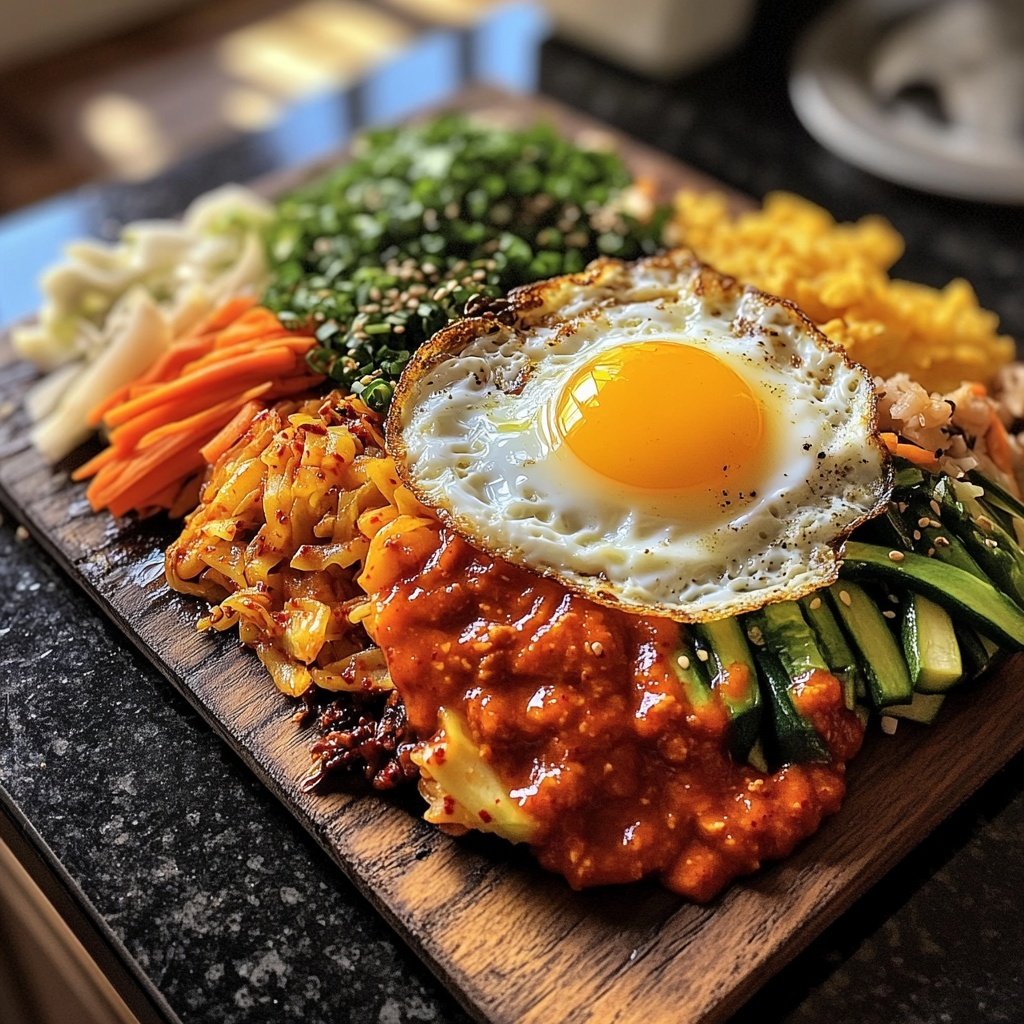
In a large bowl or stone bowl, layer the cooked rice, followed by the sautéed vegetables, cooked beef, and spinach. Top with the fried egg and a generous dollop of gochujang.
Serve
Garnish with sesame seeds and serve immediately. Mix everything together before eating!
Enjoy your homemade Korean Bibimbap!
Pro Tips
- Feel free to substitute any vegetables or proteins based on your preference or seasonal availability.
Frequently Asked Questions
Bibimbap is a dish that may raise questions for those unfamiliar with its preparation. One common question is about the specific vegetables used in the dish. While traditional bibimbap includes ingredients like spinach, carrots, and zucchini, feel free to experiment with seasonal vegetables or whatever you have on hand, such as bell peppers or bean sprouts. This flexibility allows you to enjoy a fresh take on the classic recipe.
Another frequent query relates to the spice level of bibimbap. Gochujang can vary in heat, so it's important to taste it first. If you’re sensitive to spice, start with a small amount and gradually increase it until you find the right balance for your palate. Remember, the goal is to enjoy the dish without overwhelming your taste buds.
Storing and Reheating
If you find yourself with leftovers, bibimbap stores quite well. To keep the ingredients fresh, separate the components before refrigerating. Store the rice, vegetables, and protein in airtight containers, and keep the gochujang sauce on the side. This will help maintain the texture and flavor of each ingredient when you’re ready to enjoy it again.
When reheating bibimbap, consider using a microwave or a stovetop pan. If using a microwave, cover the dish to retain moisture, and heat in short intervals to avoid overcooking. On the stovetop, a splash of water can help steam the rice back to its fluffy state. Just reassemble your bibimbap and enjoy it as if it were freshly made!
Pairing Suggestions
Bibimbap pairs beautifully with a variety of beverages. For a traditional Korean experience, serve it with a chilled glass of makgeolli, a Korean rice wine that complements the flavors of the dish. If you prefer non-alcoholic options, consider serving it with barley tea or a refreshing cucumber-infused water, both of which enhance the meal's overall freshness.
For dessert, consider light options like fresh fruit or a small serving of Korean rice cakes (tteok). These sweet treats provide a satisfying end to your meal without being too heavy, allowing you to fully enjoy the colorful and nutritious feast that bibimbap offers.
Questions About Recipes
→ Can I make Bibimbap vegetarian?
Absolutely! Just replace the beef with tofu or additional vegetables.
→ What is gochujang?
Gochujang is a Korean chili paste that adds a sweet and spicy flavor to dishes.
→ Can I prepare ingredients in advance?
Yes, you can prepare the vegetables and rice a day ahead and assemble them just before serving.
→ Is Bibimbap healthy?
Bibimbap is a nutritious dish packed with vegetables, protein, and healthy fats, making it a balanced meal.
Korean Bibimbap
Created by: Marnie Calder
Recipe Type: Heritage Ideas
Skill Level: Intermediate
Final Quantity: 4 servings
What You'll Need
For the Bibimbap
- 2 cups cooked white rice
- 1 cup spinach, blanched
- 1 cup carrots, julienned
- 1 cup zucchini, julienned
- 1 cup shiitake mushrooms, sliced
- 2 eggs
- 200g beef (or tofu for a vegetarian option), sliced
- 2 tablespoons sesame oil
- 1 tablespoon vegetable oil
- Salt and pepper to taste
- Gochujang (Korean chili paste) for serving
- Sesame seeds for garnish
How-To Steps
In a pan, heat 1 tablespoon of sesame oil over medium heat. Add the carrots and zucchini, and sauté until tender, about 5 minutes. Remove and set aside.
In the same pan, add a bit more sesame oil and cook the beef until browned and cooked through. Season with salt and pepper. Remove from heat.
In another pan, heat vegetable oil over medium heat and fry the eggs sunny-side up.
In a large bowl or stone bowl, layer the cooked rice, followed by the sautéed vegetables, cooked beef, and spinach. Top with the fried egg and a generous dollop of gochujang.
Garnish with sesame seeds and serve immediately. Mix everything together before eating!
Extra Tips
- Feel free to substitute any vegetables or proteins based on your preference or seasonal availability.
Nutritional Breakdown (Per Serving)
- Calories: 550 kcal
- Total Fat: 28g
- Saturated Fat: 5g
- Cholesterol: 186mg
- Sodium: 650mg
- Total Carbohydrates: 62g
- Dietary Fiber: 5g
- Sugars: 5g
- Protein: 22g